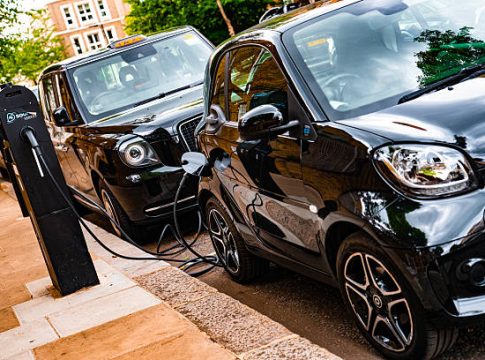
Honestly, a few years ago, the idea of a car doing half the thinking for you seemed like some sci-fi movie, but here we are. Smart cars are not just about looking cool with touchscreens and sleek designs; they’re actually changing the way we deal with traffic, parking, and, well, stress. I mean, anyone who’s ever sat in bumper-to-bumper traffic knows that commuting can feel like punishment. Now imagine your car nudging you, “Hey, maybe take the side street, it’s faster,” while you sit back scrolling through memes. That’s the reality we’re stepping into.
What’s really interesting is how much data these cars are crunching without us even noticing. Sensors, cameras, radar – it’s like having a super observant co-pilot who never complains or steals your fries. Companies like Tesla and Mercedes have been pushing these features for a while, but now even smaller brands are getting on board. Smart cars can adapt to your driving style, suggest optimal routes, warn you about hazards, and in some cases, literally drive themselves in traffic jams. It’s both cool and kind of creepy if you think about it.
Making Traffic Less of a Nightmare
One thing that hits me personally is how much time people waste stuck in traffic. According to some obscure stat I read somewhere online, the average urban driver in India spends about 38 minutes daily in traffic. Multiply that by a year, and suddenly you’ve lost like a month of your life just waiting in lines of cars. Smart cars with navigation that learns traffic patterns, anticipates congestion, and reroutes you in real-time are basically a tiny rebellion against the city’s chaos. I tried it on my own commute once – my usual 45-minute horror show turned into 28 minutes, just because the car suggested a weird little road that I never knew existed. Small victories, right?
The AI in these cars doesn’t just save time, it also reduces fuel consumption, which is a win for both your wallet and the planet. Less idling in traffic equals less CO2 pumped into the air. People often underestimate that; I didn’t realize until I checked one day and saw I was saving like 10% on gas just by letting the car take smarter routes. Feels good to be a little eco-friendly without even trying.
Parking Stress – Finally Solved
Now, let’s talk about parking. I have a love-hate relationship with parking lots. Half the time, it’s like playing a high-stakes game of Tetris where everyone else’s car is the wrong shape. Smart cars have this ridiculous feature called automated parking. I remember seeing a friend pull up at a mall, tap a button, and the car basically did the rest. It turned into a scene from a futuristic comedy, honestly. You can literally sit there sipping coffee while your car finds a perfect spot and parks itself. And trust me, for anyone who hates parallel parking like I do, this is life-changing.
Safety and Accidents – The Slightly Creepy Side
Of course, it’s not all sunshine. There’s the safety angle, which is both reassuring and a little scary. Smart cars can predict potential accidents, warn you about pedestrians, and even brake automatically if you don’t react in time. I had a minor incident where my car literally slammed on brakes when a stray dog ran onto the road. I screamed, the dog ran safely, and honestly, I felt like my car was a tiny hero. But then there’s this lingering thought: are we slowly becoming lazy drivers? Social media discussions around this are hilarious – some people are loving it, others joking that they might forget how to drive entirely in five years.
And there’s always that rare glitch or weird AI behavior. Nothing major yet, but the internet is full of clips showing cars doing some unexpected dance moves in parking lots or misreading lanes. It’s funny, but also a reminder that tech isn’t perfect. You gotta pay attention, not just trust it blindly.
Smart Cars and the Social Angle
What’s fascinating too is how this is influencing how we talk about commuting online. I’ve seen threads on Twitter and Reddit where people argue over which smart car brand gives the best traffic predictions, or share screenshots of their cars’ AI literally outsmarting them on the road. It’s turning daily commutes, something usually boring, into a little competitive, almost gamified experience. People are proud when their car finds the fastest route or parks itself elegantly. It’s weirdly social, in a digital-age kind of way.
Another thing – these cars are becoming lifestyle statements. It’s not just tech; it’s identity. If your car can learn your music preferences, schedule, and even suggest coffee stops based on your morning mood, it’s almost like having a tiny friend who knows you really well. Some might call it creepy, some convenient, but either way, it’s making the whole driving experience more personal.
The Future of Commuting – A Bit of Wishful Thinking
Honestly, the potential is huge. Imagine a world where traffic jams are nearly extinct, parking is never stressful, and your car is your personal assistant on wheels. Even though we’re not there yet, the tech is moving fast. Cities might even redesign roads to support smarter traffic flows. Electric smart cars could make noise pollution almost nonexistent. I daydream sometimes about sitting in my car, reading a book while it navigates the insane morning traffic. Could happen sooner than we think.
At the end of the day, smart cars are transforming daily commutes in subtle but real ways. Less stress, smarter navigation, safety, and tiny moments of joy like beating your usual traffic time. Sure, there are quirks and weird moments, but isn’t that what makes life interesting?
Meta Description:
Discover how smart cars are changing the way we commute every day – from reducing traffic stress and saving fuel to automated parking and safety features, explore the future of driving in a casual, real-life perspective.