Temperature And Humidity Control In Modern Applications
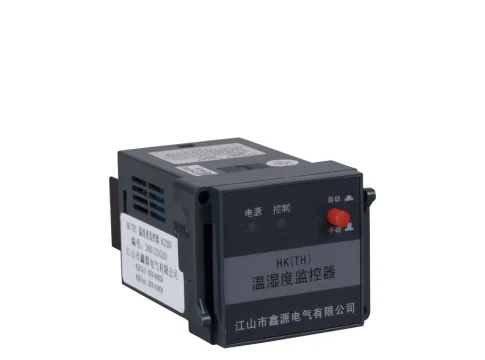
Stable environmental conditions support reliable equipment operation, product quality, and process consistency. A temperature and humidity controller monitors both variables and responds when conditions move beyond selected limits. Temperature affects reaction rates, electrical resistance, viscosity, and material dimensions. Humidity influences condensation, corrosion, insulation resistance, static charge, and storage stability. These effects can interact inside enclosed equipment spaces. A warm environment can also change relative humidity when moisture content stays constant. Industrial operators therefore need coordinated monitoring instead of relying on one measurement. A suitable controller compares sensor readings with configured thresholds. It then activates connected devices when correction becomes necessary. This approach supports repeatable conditions across cabinets, rooms, storage areas, and production zones.
How Temperature Changes Affect Equipment Performance
Temperature changes can alter equipment behavior long before visible damage appears. Electronic components may experience greater thermal stress during repeated heating and cooling cycles. Mechanical parts can expand, contract, or change lubrication characteristics as temperatures shift. Excess moisture creates another set of concerns. Condensation can form when a surface falls below the surrounding air’s dew point. That moisture may reduce insulation performance and accelerate oxidation on exposed metal. Very dry air can increase electrostatic discharge risks in sensitive environments. Storage conditions also affect packaging, chemicals, textiles, and other materials. Continuous measurement helps operators identify these changes before they become persistent problems. The control system can then maintain conditions within a defined operating range.
Why Temperature And Humidity Need Coordinated Control
Temperature and humidity often influence each other, so separate control decisions can create instability. Heating air generally lowers relative humidity when moisture content remains unchanged. Cooling can raise relative humidity and may eventually produce condensation. A controller that evaluates both measurements can coordinate corrective actions more effectively. For example, a heater may prevent cold surfaces from reaching the dew point. Meanwhile, a dehumidifier can limit moisture when relative humidity rises. The selected control strategy should match the equipment and surrounding environment. Fast switching may create unnecessary wear on relays and connected devices. Excessively wide limits may allow harmful conditions to persist. Proper thresholds provide enough operating margin while avoiding constant cycling.
How A Temperature And Humidity Controller Works
A temperature and humidity controller normally combines sensors, processing electronics, user settings, and output circuits. Temperature sensors may use thermistors, resistance temperature detectors, or integrated semiconductor sensors. Humidity measurement commonly relies on capacitive sensing elements that change electrical characteristics with moisture levels. The controller converts sensor signals into readable values and compares them with configured limits. Output circuits then control heaters, fans, humidifiers, dehumidifiers, or alarms. Relay outputs suit many switching applications because they can operate external loads. Some systems instead use transistor or analog outputs for specific equipment. Display interfaces provide current readings and alarm information. Accurate control depends on sensor quality, calibration, electrical stability, and suitable parameter settings.
How Sensor Placement Affects Measurement Accuracy
The sensor and output architecture should match the actual application. A sensor placed near a heater can report a higher temperature than the surrounding space. Likewise, a probe near an air outlet may experience rapid changes that do not represent average conditions. Operators should position sensors where measurements reflect the controlled environment. Wiring also requires attention when sensors operate near motors, contactors, or switching circuits. Electrical noise can affect low-level measurement signals in poorly designed installations. Output ratings matter when the controller directly switches external equipment. Loads exceeding relay capacity require an intermediate contactor or suitable interface. These details determine whether the control loop behaves consistently during long operating periods.
Key Factors When Selecting A Temperature And Humidity Controller
Selection should begin with the environmental range rather than the controller’s appearance or display size. Check the required temperature range, humidity range, measurement accuracy, and control resolution. Sensor compatibility also deserves careful attention because different sensing technologies have different operating limits. Next, verify output type and electrical ratings against the connected equipment. Consider whether the application needs relay contacts, alarm outputs, analog signals, or communication interfaces. Installation space can affect the choice between panel-mounted and rail-mounted designs. Enclosure conditions may also require protection against dust, moisture, vibration, or chemical exposure. Finally, check power supply requirements and operating temperature limits. Matching these specifications prevents avoidable compatibility problems after installation.
Industrial Applications With Different Environmental Requirements
Industrial applications often involve wider environmental changes than ordinary indoor spaces. Control cabinets may face internal heat from relays, contactors, transformers, and power electronics. Storage areas can experience seasonal humidity changes and temperature gradients between floors or zones. Production environments may introduce airflow, heat sources, dust, or process moisture. Each condition changes the required sensing and response strategy. For cabinet applications, sensor placement should reflect the area requiring protection rather than the hottest component alone. For larger spaces, airflow patterns can create different readings at different locations. Multiple sensing points may therefore provide better coverage than one remote probe. Engineers should also consider maintenance access when selecting installation positions.
Essential Checks Before Installing The Control System
A reliable environmental control system depends on several practical settings and components. Before commissioning, operators should verify these items:
- Sensor type and specified measurement range.
- Temperature and humidity alarm thresholds.
- Heating, cooling, humidification, and dehumidification outputs.
- Relay ratings and external load requirements.
- Sensor location and cable routing.
- Power supply compatibility and protection.
- Calibration requirements and maintenance intervals.
Why Installation Checks Influence Long-Term Stability
The checklist above connects component selection with actual operating conditions. Sensor specifications determine whether measurements remain credible across the expected environment. Alarm limits should reflect equipment requirements rather than arbitrary default values. Output ratings must also include the electrical characteristics of connected loads. Cable routing deserves attention because sensor lines can run near high-current conductors. Separating sensitive signals from noisy power wiring can reduce measurement interference. Commissioning should include controlled tests at representative operating points. Operators can confirm that each output responds at the intended threshold. Regular verification helps identify sensor drift, damaged wiring, or relay wear. These practices support stable control and reduce unexpected interruptions during continuous operation.
Maintenance Practices For Reliable Environmental Monitoring
Maintenance requirements vary with the environment, sensor technology, and operating duty. Dust, chemical vapors, condensation, and vibration can affect sensor performance over time. Periodic inspection should check connectors, wiring, sensor surfaces, and output contacts. Calibration intervals should follow manufacturer specifications and application risk. A controller can display normal values while a damaged sensor slowly develops measurement bias. Comparing readings with a trusted reference can reveal this condition. Alarm history can also show repeated excursions that normal displays may hide. Operators should record significant changes after sensor replacement or parameter adjustment. Clear maintenance records make recurring problems easier to trace. Preventive checks are especially important where environmental stability protects expensive equipment.
Matching Control Specifications With Long-Term Operating Needs
Long-term performance depends on matching the controller with the complete control loop. The controller itself cannot compensate for an unsuitable sensor location or an undersized actuator. Engineers should evaluate sensing accuracy, response time, output capacity, installation conditions, and maintenance access together. Environmental limits should reflect the equipment being protected and the surrounding process. Alarm functions can provide additional protection when conditions exceed normal operating boundaries. Communication features may also support remote monitoring in larger facilities. During procurement, technical documentation should confirm every critical specification. Samples or pre-installation tests can verify physical compatibility and signal behavior. A carefully matched system provides predictable responses and clearer operating information. That combination supports reliable environmental management across many industrial settings.
FAQ
What Does A Temperature And Humidity Controller Do?
A temperature and humidity controller measures environmental conditions and manages connected equipment according to configured limits. Sensors continuously provide temperature and moisture readings to the control circuit. The device compares those readings with selected thresholds. When conditions move outside the defined range, output circuits can activate heating, cooling, humidification, or dehumidification equipment. Alarm functions can also notify operators about abnormal conditions. Applications range from industrial cabinets to storage rooms and production areas. Correct sensor placement remains important because poor positioning can distort readings. Proper settings also prevent unnecessary switching and unstable operation. The controller therefore serves as the central point between environmental measurement and corrective equipment.
Can One Controller Manage Temperature And Humidity Together?
Yes, some controllers can monitor and regulate both temperature and humidity through separate sensing channels and outputs. This arrangement allows one device to coordinate environmental conditions within a defined operating range. Temperature control may operate a heater or cooling device. Humidity control can operate a humidifier or dehumidifier. Combined monitoring also helps operators identify interactions between the two variables. For example, cooling can increase relative humidity and create condensation risks. A coordinated control strategy can respond to these changes more effectively. However, available functions vary between models. Buyers should verify sensor compatibility, output configuration, control ranges, alarm functions, and electrical ratings before installation.
What Should You Check Before Buying A Temperature And Humidity Controller?
Start by confirming the required temperature and humidity measurement ranges. Next, check measurement accuracy and control resolution for the intended application. Sensor type matters because different sensors support different environmental ranges and response characteristics. Output specifications should match heaters, fans, humidifiers, dehumidifiers, or alarm devices. Buyers should also verify the power supply and relay capacity. Installation dimensions can determine whether a panel or rail-mounted design fits the equipment. Environmental protection ratings may matter in dusty, wet, or vibrating locations. Finally, review calibration requirements and communication options. Matching these technical details with actual operating conditions reduces compatibility problems and supports dependable long-term performance.