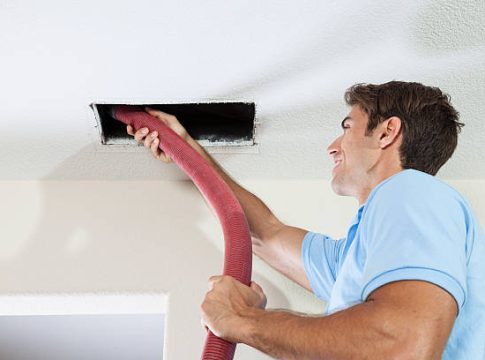
Maintaining a healthy, energy-efficient indoor environment requires continuous attention to a building’s heating, ventilation, and air conditioning (HVAC) infrastructure. While property owners regularly replace surface filters and inspect thermostat settings, the hidden ductwork spanning behind walls and above ceilings is frequently neglected. Over time, these enclosed distribution channels collect significant volumes of dust, pet dander, mold spores, pollen, and post-construction debris. Every time the HVAC blower engages, these trapped contaminants continuously recirculate throughout occupied spaces.
Understanding the mechanics of forced-air circulation, recognizing signs of system contamination, and implementing thorough mechanical maintenance strategies allows property owners to safeguard indoor health, lower monthly energy expenses, and prolong the lifespan of vital climate control equipment.
The Physical Impact of Uncleaned Ventilation Networks
Forced-air climate control operates by drawing ambient air through return ducts, conditioning it within the central air handler, and distributing it back into living zones through supply registers. When internal duct surfaces accumulate heavy debris layers, this continuous recirculation process introduces continuous environmental hazards.
Respiratory Health and Contaminant Elimination
Accumulated dust and organic particulates within air ducts act as persistent sources of indoor pollution. Individuals affected by seasonal allergies, asthma, or chronic respiratory conditions experience amplified symptoms when exposed to continuously recirculated irritants. Fine particulate matter, dust mite residues, microbial growth, and chemical residues lingering inside uncleaned channels can cause persistent coughing, sinus congestion, throat irritation, and fatigue. Systematic removal of these trapped contaminants drastically cleanses the air stream and fosters a healthier indoor atmosphere.
Mechanical Efficiency and Static Pressure Control
Excessive dust accumulation restricts air velocity through duct channels, creating elevated static pressure within the HVAC cabinet. This added resistance forces the central blower motor to consume significantly more electricity to deliver design airflow. Over time, restricted airflow causes extended cooling cycles, uneven room temperatures, and severe mechanical strain. When airborne dust passes by clogged filters and coats the evaporator coil, it acts as an insulating barrier that hinders thermal transfer, potentially causing system freezing, compressor failure, and costly repair calls.
Removing these physical obstructions restores balanced static pressure, optimizes heat exchange performance, and enables HVAC equipment to run within manufacturer specifications, ultimately reducing monthly power consumption.
Clear Signs Your Air Distribution System Needs Maintenance
Because ductwork remains concealed within structural cavities, identifying contamination requires monitoring key operational and environmental indicators across your property.
- Visible Dust Rings around Supply Vents: Dark particulate deposits gathering on adjacent ceiling drywall or clinging directly to supply register louvers.
- Unexplained Increases in Energy Charges: A noticeable rise in monthly utility costs without changes in local power rates or extreme outdoor temperature shifts.
- Stale or Musty Odors during Operation: Lingering earthy or foul smells emitting from air registers shortly after the central fan engages.
- Reduced Airflow from Specific Registers: Distinct drops in air volume across individual rooms, indicating localized blockages or heavy particulate accumulation in branch lines.
- Recent Remodeling or Structural Work: Drywall dust, fine sawdust, and masonry grit drawn into open return vents during active construction.
Addressing these early warning signs stops widespread indoor contamination, ensures balanced airflow distribution, and protects sensitive mechanical components from dust-induced wear.
The Professional Mechanical Cleaning Process
Restoring an air distribution network requires specialized commercial equipment, negative pressure containment, and systematic mechanical agitation. Household vacuums or simple vent wipes are ineffective and often release dislodged dust directly into living spaces.
Negative Pressure Containment Setup
Professional service begins by completely isolating the duct network to prevent airborne dust from escaping into occupied rooms. Technicians connect a commercial-grade, HEPA-filtered negative air extraction unit directly to the primary trunk line near the air handler. This high-volume extraction system creates powerful negative static pressure throughout the duct network, ensuring that any dislodged dust travels directly into external containment tanks.
Mechanical Agitation and High-Velocity Air Sweeping
With negative pressure established, technicians systematically clean each supply and return register using specialized tools. High-speed rotary brushes, flexible whip systems, and compressed air nozzles loosen stubborn debris, caked dust, and biological particles adhered to internal flex-duct and rigid metal walls. The continuous suction immediately pulls dislodged contaminants through sealed hoses out of the building envelope.
Blower and Coil Decontamination
A comprehensive maintenance procedure addresses all internal components within the air pathway. Technicians carefully clean the blower wheel blades, housing, return drop, and main supply plenum. Thoroughly inspecting and cleaning the cooling coil restores efficient heat transfer and removes damp surface grime where mold and microbial colonies commonly form.
For property owners seeking expert indoor environment management, scheduling a professional system overhaul through https://pureairductcleaningfl.com/ delivers high-powered negative pressure extraction, thorough duct decontamination, and restored operating efficiency for your climate control system.
Preventive Practices for Maintaining Clean Ductwork
After completing a thorough mechanical cleaning, adopting simple preventive measures helps preserve clean air channels and extends the operational lifetime of your equipment.
Using high-efficiency MERV-rated filters captures fine airborne particles before they reach the main blower unit. Replacing air filters every 60 to 90 days, or every 30 days during heavy cooling seasons or in households with pets, prevents filter bypass and protects internal components. Additionally, ensuring all duct connections, seams, and return drops are sealed with professional mastic sealant or foil tape stops unconditioned, dusty air from attic spaces or crawlspaces from entering the airstream.
Protecting Property Value and Occupant Well-Being
Prioritizing HVAC distribution maintenance is a crucial aspect of overall property care. Removing years of built-up dust, pollen, pet dander, and post-construction debris transforms your indoor environment while restoring mechanical performance.
Partnering with qualified air quality specialists ensures your heating and cooling systems run quietly, cleanly, and efficiently year-round. Investing in clean air distribution provides immediate breathing comfort, protects valuable mechanical assets, and maintains a healthy indoor climate for years to come.