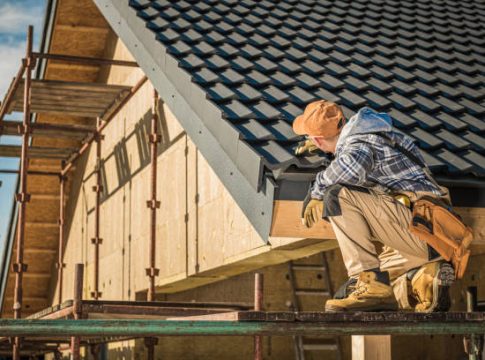
When homeowners think about their roof, shingles are usually the first thing that comes to mind. Yet a reliable roof is much more than the material visible from the street. It is a connected system of roofing materials, flashing, ventilation, gutters, penetrations, and structural components that must work together to keep weather outside and protect the building below.
Understanding these connections can make routine home maintenance easier. It can also help homeowners recognize why an apparently minor issue in one area sometimes creates problems somewhere else.
Your Roof Is a System, Not a Single Surface
The outer roofing material serves as an important barrier against rain, snow, wind, and sunlight, but it does not work alone. Underneath that visible layer are additional materials designed to provide support and protection.
A typical roofing system may involve several components, including:
- Shingles, tiles, metal, or another exterior roofing material
- Underlayment beneath the primary roof covering
- Roof decking that provides structural support
- Flashing around vulnerable transitions and penetrations
- Intake and exhaust ventilation
- Gutters and downspouts
- Sealing around vents, chimneys, and skylights
Each component has a specific purpose. Problems can develop when one part deteriorates even though the rest of the roof remains in reasonable condition.
For example, shingles could still have years of useful service remaining while deteriorated flashing creates an opening for water. Likewise, a newly installed roof can still experience performance problems if drainage or ventilation is inadequate.
This is why looking at the entire roofing system is more useful than focusing exclusively on the most visible materials.
Flashing Protects the Roof’s Most Vulnerable Areas
Waterproofing a large, uninterrupted roof surface is relatively straightforward compared with protecting areas where that surface changes direction or meets another structure.
Chimneys, skylights, walls, valleys, plumbing vents, and other penetrations create transitions where water needs to be carefully redirected. Flashing is commonly installed in these locations to help prevent moisture from entering the building.
Over time, flashing can become damaged, loosen, corrode, or separate from surrounding materials. Sealants used around certain roof details can also deteriorate.
These problems may be difficult to notice from the ground.
Homeowners sometimes assume that a leak automatically means the primary roofing material has failed. In reality, water can enter through a relatively small vulnerable area and travel beneath roofing materials before becoming visible indoors.
That is one reason professional inspections often involve more than simply checking whether shingles are missing.
Gutters Are Part of Roof Protection
Gutters may appear to be a separate exterior feature, but they perform an important job for the roofing and drainage system.
After rain or melting snow reaches the roof, that water needs somewhere to go. Properly functioning gutters collect runoff and direct it through downspouts toward appropriate drainage areas.
When gutters become clogged, damaged, improperly pitched, or detached, water may spill over their edges or collect where it should not. Depending on the property, poor drainage can affect fascia, siding, landscaping, and areas around the foundation.
Roof maintenance should therefore include periodic attention to drainage.
Homeowners should watch for overflowing gutters, sagging sections, water flowing behind the gutter, disconnected downspouts, or unusual erosion near discharge points. These symptoms may indicate that the drainage system needs cleaning, adjustment, repair, or replacement.
Ventilation Matters Even Though You Cannot See It
Some of the most important roofing components are barely noticeable from outside the home.
Roof and attic ventilation is designed to support airflow through the attic space. A properly designed system generally uses intake and exhaust vents to create balanced movement of air.
Ventilation requirements depend on the property’s construction, insulation, roof design, and other factors. This makes it important to consider ventilation as part of the overall roofing system rather than adding vents without understanding how they interact.
When evaluating an existing roof or planning major roofing work, homeowners can benefit from discussing ventilation alongside exterior materials. A roofing professional can assess the current configuration and determine whether changes should be considered.
For property owners researching inspections, repairs, replacements, ventilation, gutters, skylights, and related exterior work, the range of roofing services from Gomez Roofing illustrates how many individual components may be involved in maintaining a complete roofing system.
Looking at these components together can provide a clearer picture of a property’s needs than treating every issue as an isolated repair.
Chimneys and Skylights Require Special Attention
Anything that passes through the roof creates additional details that must remain weather-resistant.
Chimneys are a common example. The masonry itself may deteriorate, while flashing at the point where the chimney meets the roof can also develop problems. Water entering around this intersection may initially resemble an ordinary roof leak even when the underlying issue involves the chimney or its flashing.
Skylights require similar attention. A properly installed skylight needs to integrate with surrounding roofing materials so water moves around and away from the opening.
Older skylights, deteriorated seals, damaged flashing, or installation problems can create vulnerabilities. If homeowners notice staining or moisture near a skylight, identifying the actual source is more important than simply applying sealant to the most obvious location.
Careful diagnosis reduces the risk of addressing a symptom while leaving the underlying problem unresolved.
Repair and Replacement Serve Different Purposes
Discovering roof damage does not necessarily mean that complete replacement is required.
Localized problems can sometimes be repaired when the surrounding roofing system remains in serviceable condition. Damaged shingles, isolated flashing problems, or a specific leak source may fall into this category depending on the extent of the damage.
Replacement becomes a different consideration when deterioration is widespread, the roof has significant underlying problems, or repeated repairs are no longer addressing the overall condition effectively.
Homeowners can make better decisions by considering several factors rather than relying on roof age alone. These can include the extent of damage, condition of the underlying materials, previous repairs, type of roofing system, weather exposure, and anticipated future maintenance.
A detailed inspection can provide useful information for distinguishing between a localized problem and broader deterioration.
Preventive Attention Makes Roof Care More Manageable
Roof maintenance tends to become more difficult when homeowners wait for an obvious emergency.
Water dripping from a ceiling demands immediate attention. A loose piece of flashing or early material deterioration discovered during an inspection usually allows more time to understand the problem and evaluate possible solutions.
Homeowners can take a preventive approach by visually checking their property from safe ground-level locations and scheduling professional evaluations when appropriate. Particular attention may be worthwhile after severe weather or whenever unexplained interior moisture appears.
Maintenance records can also be useful. Keeping notes about inspections, repairs, material replacements, and previous leak locations creates a history that can help professionals evaluate future concerns.
Protecting the Whole Home Starts at the Top
A dependable roofing system relies on many components performing their individual jobs together. Shingles or other exterior materials shed weather, flashing protects transitions, ventilation manages airflow, and gutters move runoff away from the building.
Recognizing these connections changes the way homeowners approach roof care. Instead of thinking only about whether the visible roofing material looks worn, they can consider drainage, penetrations, ventilation, and other details that contribute to long-term performance.
Regular attention does not eliminate every possibility of roof damage, particularly when severe weather occurs. It does, however, make it easier to identify developing concerns and make informed decisions about maintenance, repair, and eventual replacement.
Treating the roof as a complete system rather than a single surface is ultimately one of the most practical ways to protect the investment beneath it.