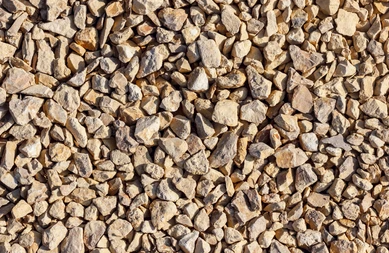
Fresh construction sites demand more from the ground than many finished properties ever will. Trucks, excavators, concrete crews, utility teams, and building materials all rely on surfaces that can carry weight without turning soft or uneven. Rock and dirt give builders practical ways to stabilize access, shape grades, control water, and prepare each area for the work that follows.
A Strong Site Starts With Better Construction Access
Heavy equipment can tear through exposed soil after only a few passes, especially once rain softens clay or loose fill. Crushed stone creates a firmer working surface by spreading tire loads and reducing how deeply trucks sink into the subgrade. Angular pieces also lock together under pressure, which helps temporary roads hold their shape.
Temporary access routes still need enough depth for loaded dump trucks, concrete mixers, and material deliveries. Geotextile fabric may separate weak ground from the aggregate, while added base stone can bridge muddy sections that would otherwise swallow gravel. Compaction between lifts improves stability, so a search for gravel delivery near me often starts before major construction activity reaches the site.
Fill Dirt Sets the Elevation Before Building Moves Upward
Uneven property may need substantial grading before foundations, slabs, sidewalks, or landscaped areas can reach design elevation. Structural fill raises low ground, but the material must compact consistently and contain little organic matter if it will support future loads. Organic debris, roots, and topsoil can decompose and leave empty spaces beneath finished construction.
Layered placement helps prevent that hidden settlement. Thin lifts let compactors reach the full thickness, rather than creating a hard top over loose soil below. Moisture affects the result as well, since saturated dirt can pump under equipment instead of tightening properly. Buyers comparing rock and dirt for sale should match fill quality to the area it will support.
Different Foundation Jobs Call for Different Stone
Foundation work may use aggregate beneath slabs, beside footings, and around drainage pipe, but one stone product cannot handle every job equally well. Compacted crushed aggregate provides a stable platform under concrete, helping distribute loads across the prepared subgrade. Correct depth depends on soil strength, building design, and the weight the finished slab must carry.
Drainage stone works differently because open spaces between particles need to remain available for water. Washed gravel placed around perforated pipe can move groundwater away from foundation walls without holding saturated soil against the structure. Fine material can clog those openings, so customers reviewing gravel for sale should distinguish clean drainage rock from dense base aggregate.
Rock and Dirt Help Keep Water From Stalling the Job
Standing water can delay excavation, soften prepared grades, and leave equipment working in deep mud. Crews often use stone-lined swales, temporary drainage trenches, stabilized entrances, and aggregate around drain lines to move runoff through active work zones. Larger rock can protect discharge points where fast water would otherwise cut into bare soil.
Final grading uses dirt to guide rainfall long after construction ends. Fill can build low areas, form swales, and create slopes that send water away from foundations, driveways, and patios. Settlement may change those elevations if backfill is poorly compacted, which makes careful placement important. Coordinated gravel delivery in Huntsville AL can support drainage work as site conditions develop.
Aggregate Builds Reliable Bases Under Finished Surfaces
Concrete needs firm, uniform support beneath it. Base stone can reduce soft spots under slabs, driveways, equipment pads, and other hard surfaces while giving crews a predictable level for final preparation. Uniform compaction across the area matters because isolated loose pockets can settle after the concrete has already hardened.
Exterior flatwork deserves similar attention even if it carries lighter loads. Walkways, patios, steps, and small pads may crack or tilt when installers pour over poorly compacted fill. Graded aggregate makes small elevation corrections easier and creates a cleaner working base. Separate stone sizes may be needed for structural support, drainage, and finished gravel areas on the same property.
Utility Trenches Need More Than Leftover Backfill
Utility work leaves narrow excavations that must be rebuilt without damaging pipe, conduit, or service lines. Bedding material supports utilities evenly and reduces direct contact with sharp rock or hard soil clods. Specifications may call for selected gravel, sand, or screened material around the line before heavier fill goes above it.
Trench backfill also has to resist future settlement under lawns, pavement, or drive lanes. Compacting material in controlled lifts restores support more evenly than filling the excavation all at once. Surface sections exposed to traffic may need crushed aggregate before paving or finish stone is added. Planned rock and dirt delivery keeps bedding, fill, and base materials arriving in the order crews need them.
Final Site Work Still Depends on the Right Material
Late-stage construction continues to use aggregate and soil after walls, roofing, and utilities are largely complete. Topsoil prepares planting areas, fill dirt corrects final elevations, gravel finishes access routes, and crushed stone can strengthen parking or service areas. Accurate measurements reduce excess material while helping crews avoid shortages during grading and cleanup.
North Alabama Rock & Dirt offers gravel, crushed stone, fill dirt, topsoil, and other aggregate materials for residential and commercial construction. Its delivery services support site access, foundation work, grading, drainage, utility trenches, driveways, and landscape preparation with materials suited to different stages of a build. Clear ordering information helps customers arrange useful load sizes for the work ahead across changing conditions and project phases.