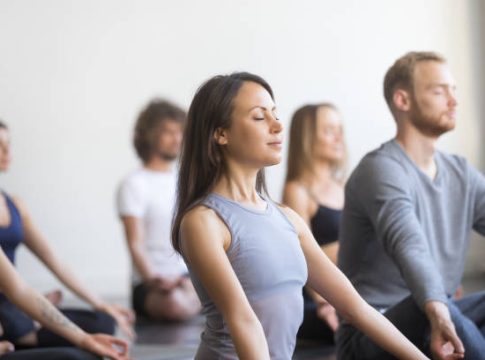
Why people start looking for deeper meditation learning
Most people don’t begin their meditation journey thinking about certifications or training programs. Usually it starts with curiosity — maybe stress from work, maybe a yoga class, or sometimes just hearing friends talk about mindfulness. After a few weeks of practicing on their own, people start realizing meditation is deeper than simply closing their eyes and breathing slowly. That curiosity leads many to explore structured programs like 100 hour Meditation Teacher Training because they want proper guidance instead of random techniques picked up from videos.
Meditation looks simple but has real depth
From the outside meditation can seem almost too easy. Sit still, breathe, relax — that’s the basic idea most people hear. But when someone actually tries to meditate seriously, they quickly realize the mind is very active. Thoughts appear constantly, and staying focused is not always easy. That’s where structured meditation training helps. It teaches practical ways to calm the mind and understand what is happening during meditation rather than just guessing the process.
What students usually learn in a 100-hour meditation program
A well-designed meditation training program usually combines theory and practice. Students learn different meditation styles and techniques while also understanding the philosophy behind them. The curriculum often includes posture training, breathing exercises, mantra meditation, chakra meditation, mindfulness practices, and concentration methods.
These techniques help practitioners develop better awareness and gradually improve focus during meditation sessions.
The role of breathing and body awareness
Breathwork is a big part of meditation training. Techniques from yogic traditions such as pranayama are often introduced because controlled breathing helps calm the nervous system and prepare the mind for meditation.
Students also learn different sitting postures like Sukhasana, Vajrasana, or Padmasana, which allow the body to remain comfortable and stable during longer meditation sessions. A steady posture helps prevent physical discomfort from distracting the mind.
Meditation philosophy and history
Another interesting part of training is learning where meditation actually comes from. Many programs introduce students to classical yogic philosophy and traditional meditation texts. These teachings explain concepts such as mindfulness, awareness, and the purpose of meditation in personal development.
Understanding this background often helps students approach meditation with more clarity instead of seeing it as just a relaxation technique.
Learning how to guide meditation sessions
For students interested in teaching meditation, training also includes teaching methodology. This involves learning how to structure meditation sessions, guide students step-by-step, and create a calm environment for practice.
Teaching meditation requires patience and good communication skills. A teacher must be able to explain techniques clearly while maintaining a peaceful atmosphere.
The balance between theory and practical experience
One reason structured training programs work well is that they combine learning with daily practice. Students usually meditate regularly during the course while also studying topics like anatomy, philosophy, and teaching skills.
This balance allows participants to understand meditation intellectually while also experiencing its effects personally.
Personal benefits students often notice
People join meditation training for many different reasons. Some want to teach meditation, while others simply want to deepen their own practice. Spending many hours learning and practicing meditation can improve concentration, reduce stress, and create a stronger sense of emotional balance.
Many students also report better sleep, improved focus, and a greater ability to handle daily stress after completing meditation training.
Certification and future opportunities
Completing a meditation teacher training program usually provides a certificate that allows graduates to guide meditation sessions or workshops.
However, certification is often just the beginning. Becoming a confident meditation teacher requires ongoing practice, learning, and real experience working with students.
Is 100 hours enough for meditation training?
A 100-hour program is generally considered a strong foundation rather than the final step in meditation learning. It gives students a solid understanding of meditation techniques, philosophy, and teaching basics. From there, many practitioners continue their journey through deeper practice or more advanced training programs.
For many people, though, this level of training is enough to significantly transform their understanding of meditation and build a consistent personal practice.
Why meditation training continues to grow in popularity
Modern life moves fast. Work pressure, constant digital distractions, and busy schedules often make it difficult for people to slow down mentally. Meditation offers a simple but powerful way to reconnect with calmness and awareness.
That’s why structured meditation courses are becoming more popular around the world. They give people the opportunity to learn authentic meditation techniques while building skills that support both personal wellbeing and teaching opportunities in the future.