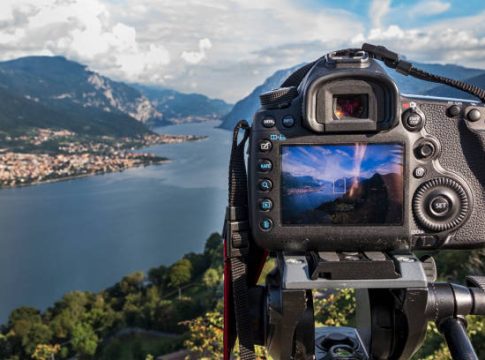
Photography is more than just pressing a button. It is the art of seeing, understanding light, and capturing emotion in a single frame. In today’s world, almost everyone owns a smartphone or a camera, but not everyone knows how to use it creatively. If you’ve ever wondered how professionals take breathtaking images that instantly grab attention, the good news is that you can learn these skills too. With the right techniques, practice, and mindset, you can capture stunning photos like a pro.
Understand Your Camera First
Before diving into creative techniques, it’s important to understand your equipment. Whether you are using a DSLR, mirrorless camera, or smartphone, knowing the basic settings makes a huge difference. Professional photographers like Annie Leibovitz emphasize mastering fundamentals before experimenting.
Learn about three key elements of exposure: aperture, shutter speed, and ISO. Aperture controls how much light enters the lens and affects background blur. Shutter speed determines how motion is captured. ISO adjusts the camera’s sensitivity to light. When these three settings work together, you get a perfectly exposed photo.
If you’re using a smartphone, explore features like HDR mode, portrait mode, and manual adjustments. Even small tweaks can dramatically improve your results.
Master the Art of Lighting
Lighting is the heart of photography. Without good light, even the best camera cannot produce stunning images. Natural light is often the most flattering and easiest to work with. Early morning and late afternoon, often called the “golden hour,” provide soft and warm light that enhances colors and reduces harsh shadows.
Avoid shooting under direct midday sunlight because it creates strong shadows and washed-out highlights. Instead, look for shaded areas or use diffused light indoors near a window.
Professional photographers understand how to “see” light. They observe how it falls on subjects, how shadows create depth, and how reflections add interest. Try experimenting with backlighting, side lighting, and soft indoor light to see how it changes your images.
Focus on Composition
A beautiful photo is not just about clarity; it’s about arrangement. Composition refers to how elements are placed within the frame. One of the most popular techniques is the rule of thirds. Imagine dividing your frame into nine equal sections using two horizontal and two vertical lines. Placing your subject along these lines or at their intersections creates balance and visual interest.
Leading lines are another powerful technique. Roads, fences, rivers, or even shadows can guide the viewer’s eyes toward the main subject. Symmetry and patterns also make photos more engaging.
Legendary landscape photographer Ansel Adams was known for his incredible compositions. His work shows how thoughtful framing can transform a simple scene into a masterpiece.
Pay Attention to Details
Professionals never ignore small details. Background distractions, messy elements, or uneven horizons can ruin an otherwise perfect shot. Before clicking, take a moment to scan the entire frame. Remove unnecessary objects or adjust your angle to create a cleaner composition.
Sharpness is another important factor. Make sure your subject is in focus, especially in portrait photography. Tap to focus on smartphones or use manual focus points on professional cameras.
Clean lenses also make a noticeable difference. A smudged lens can reduce clarity and contrast, so wipe it gently before shooting.
Capture Emotion and Story
Technical perfection alone doesn’t create powerful images. Stunning photos often tell a story or evoke emotion. Think about what you want your image to communicate. Is it joy, mystery, calmness, or excitement?
In portrait photography, try to capture natural expressions instead of forced poses. Engage with your subject and make them comfortable. In travel photography, focus on real-life moments rather than staged scenes.
A great example of storytelling through photography can be seen in the work of Steve McCurry, whose iconic images capture deep human emotions and cultural stories.
Experiment with Angles and Perspectives
One of the simplest ways to improve your photography is by changing your perspective. Most beginners shoot at eye level, but professionals explore different angles. Try shooting from above, below, or from the side.
Kneel down to capture children or pets at their eye level. Climb slightly higher to capture dramatic landscapes. Even tilting your camera slightly can create a dynamic effect.
Don’t be afraid to move around your subject. Sometimes the best shot is just a few steps away from where you first stood.
Use Editing Wisely
Editing is part of modern photography. Even professionals enhance their images using editing software. The goal is not to completely change the photo but to improve brightness, contrast, color balance, and sharpness.
Avoid over-editing. Excessive filters and unnatural colors can make images look artificial. Subtle adjustments often produce the best results.
Many photographers use software like Adobe Lightroom to fine-tune their images. There are also mobile apps that offer similar features for quick edits.
Practice Consistently
Photography is a skill that improves with practice. The more you shoot, the better you understand light, composition, and timing. Challenge yourself with different themes such as portraits, landscapes, street photography, or macro shots.
Study the work of professional photographers and analyze what makes their photos stand out. Is it the lighting? The composition? The emotion? Learning from experts accelerates your growth.
Keep experimenting. Not every photo will be perfect, but each one teaches you something new.
Develop Your Unique Style
Over time, you’ll notice patterns in your work. Maybe you prefer bright and airy photos, or perhaps you love dark and dramatic tones. Your editing style, subject choices, and perspective will gradually define your signature look.
Professionals stand out because of their unique style. Instead of copying others completely, use inspiration as a starting point and then add your personal touch.
Conclusion
Capturing stunning photos like a pro is not about owning the most expensive camera. It’s about understanding light, mastering composition, paying attention to detail, and telling meaningful stories. By learning the basics, practicing regularly, and developing your creative eye, you can dramatically improve your photography skills.
Remember, every professional photographer was once a beginner. With patience, curiosity, and dedication, you too can transform ordinary moments into extraordinary images. The world is full of beautiful scenes waiting to be captured — all you need to do is see them through a creative lens.