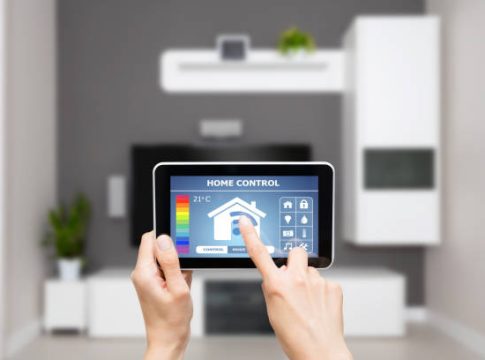
In the last decade, smart technology has rapidly evolved from a futuristic concept into an essential part of everyday life. From smartphones and smart homes to artificial intelligence and wearable devices, technology is reshaping how we live, work, communicate, and even think. The integration of digital intelligence into daily tools has made life more convenient, efficient, and connected than ever before. As innovation continues to accelerate, smart technology is not just supporting modern life — it is transforming it completely.
The Rise of Smart Devices
One of the most visible changes in modern life is the widespread use of smartphones. Devices like the iPhone have evolved into powerful mini-computers that allow people to manage their finances, communicate globally, shop online, track health, and access unlimited information instantly. Smartphones have become personal assistants, entertainment centers, and workstations all in one.
Beyond phones, smart devices such as voice assistants and connected home systems have become increasingly popular. Products like Amazon Echo and Google Nest allow users to control lighting, temperature, music, and security systems with simple voice commands. This hands-free convenience saves time and enhances comfort, especially for busy households.
Smart technology has also improved home security. Smart cameras, doorbells, and alarm systems enable homeowners to monitor their properties in real time through mobile apps. Whether at work or traveling abroad, individuals can check live footage and receive instant alerts, increasing safety and peace of mind.
Artificial Intelligence in Everyday Life
Artificial Intelligence (AI) plays a major role in transforming modern life. AI-powered systems analyze data, learn patterns, and make decisions that improve efficiency. Digital assistants like Siri and Google Assistant help users set reminders, answer questions, and manage schedules effortlessly.
AI is also changing how we consume content. Streaming platforms such as Netflix use AI algorithms to recommend movies and shows based on user preferences. Similarly, social media platforms personalize feeds, advertisements, and suggestions to match individual interests. This level of customization enhances user experience but also raises important discussions about privacy and data security.
In workplaces, AI-driven automation is increasing productivity. Businesses use smart software to handle repetitive tasks, analyze market trends, and improve customer service through chatbots. This allows employees to focus on creative and strategic tasks rather than routine operations.
Smart Technology in Healthcare
Healthcare has experienced a significant transformation due to smart technology. Wearable devices like fitness trackers and smartwatches monitor heart rate, sleep patterns, and physical activity in real time. For example, the Apple Watch can track vital health data and even detect irregular heart rhythms.
Telemedicine has also grown rapidly, especially after global health crises. Patients can now consult doctors through video calls, receive digital prescriptions, and access medical records online. This has made healthcare more accessible, especially for people living in remote areas.
Advanced technologies such as AI-powered diagnostic tools help doctors detect diseases earlier and more accurately. Smart systems analyze medical scans and patient data to support faster decision-making, improving treatment outcomes and saving lives.
Smart Cities and Transportation
Urban life is also being transformed by smart technology. Many cities are adopting smart infrastructure to improve traffic management, reduce energy consumption, and enhance public safety. Smart traffic lights adjust automatically based on real-time congestion, reducing travel time and fuel usage.
Transportation has become more innovative with electric and autonomous vehicles. Companies like Tesla, Inc. are leading the shift toward electric mobility, reducing carbon emissions and promoting sustainability. Smart navigation systems use real-time data to suggest the fastest routes, saving both time and fuel.
Ride-sharing platforms and digital payment systems have further simplified commuting. With just a few taps on a smartphone, users can book rides, pay digitally, and track drivers in real time. This seamless integration of technology into transportation has made urban travel more efficient and convenient.
Education in the Digital Age
Smart technology has revolutionized education as well. Online learning platforms, digital classrooms, and interactive tools have made education more accessible and flexible. Students can attend virtual lectures, access study materials online, and collaborate with peers across the world.
Artificial intelligence also supports personalized learning. Smart educational platforms analyze students’ strengths and weaknesses, providing customized lessons and practice exercises. This tailored approach enhances understanding and improves academic performance.
Moreover, technologies such as virtual reality (VR) and augmented reality (AR) are creating immersive learning experiences. Students can explore historical sites, conduct virtual science experiments, and visualize complex concepts in ways that traditional textbooks cannot provide.
Impact on Work and Communication
The workplace has undergone dramatic changes due to smart technology. Remote work has become more common, supported by video conferencing tools, cloud computing, and collaborative software. Employees can now work from anywhere while staying connected with teams worldwide.
Communication has also become faster and more interactive. Messaging apps, social media platforms, and instant video calls allow people to maintain relationships across long distances. Families, friends, and colleagues remain connected regardless of geographical barriers.
Cloud storage solutions enable secure access to files from multiple devices. This flexibility improves productivity and ensures that important data is never lost.
Challenges and Ethical Considerations
While smart technology offers numerous benefits, it also presents challenges. Privacy concerns have increased as personal data is collected and stored by various digital platforms. Cybersecurity threats, including hacking and identity theft, require stronger protection systems.
Additionally, automation may impact employment in certain industries. As machines and AI systems perform tasks previously done by humans, workers must adapt by learning new skills and embracing digital literacy.
Balancing innovation with ethical responsibility is crucial. Governments, companies, and individuals must work together to ensure that technology remains a tool for positive transformation rather than harm.
Conclusion
Smart technology is transforming modern life in extraordinary ways. From homes and healthcare to education and transportation, digital innovation has enhanced convenience, efficiency, and connectivity. Artificial intelligence, smart devices, and advanced infrastructure are shaping a future that once seemed like science fiction.
However, with great technological advancement comes responsibility. Protecting privacy, ensuring data security, and preparing the workforce for digital change are essential steps toward sustainable progress.
As smart technology continues to evolve, one thing is certain: it will remain a powerful force shaping the way we live, work, and interact with the world. Embracing it wisely will determine how positively it transforms modern life in the years to come.