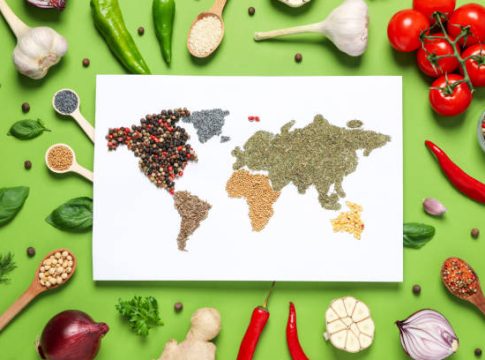
You ever notice how some dishes just hit differently, even if it’s the same recipe? Like, you can eat a pizza in New York and then in Naples, and somehow it tastes like a totally different story. That’s the magic of local ingredients. I mean, it’s not just about freshness — though trust me, that’s huge — it’s about how the soil, water, air, even the local bugs, somehow sneak into what you eat. You could argue it’s like terroir for veggies, not just wine.
When I first traveled to Thailand, I was blown away by how their basil literally tasted like it belonged there. Not that kind of supermarket basil we squish in sandwiches at home. Real Thai holy basil has this spicy, almost peppery thing going on that makes a simple stir-fry explode in your mouth. And apparently, that’s because it grows in this very specific climate, with soil rich in nutrients I’ve probably ruined a dozen times trying to replicate in my garden back home. Local ingredients aren’t just a trend; they’re a story, a sense of place captured in a carrot or a chili.
Global Plates, Local Roots
What’s wild is how chefs around the world are catching onto this. You’ve got your fusion restaurants in London, Tokyo, or even my tiny hometown trying to marry Mexican corn with Japanese miso. Sounds weird? Sure. But when it’s done with local ingredients, it works. The miso isn’t some imported bland jar stuff; it’s made locally with a twist that gives corn tortillas a smoky, almost nutty depth. People don’t even realize why it tastes so “right,” but it does, and that’s the beauty.
Social media is full of people bragging about their local food hauls — TikTok is basically a parade of farmers’ markets and backyard gardens. It’s like everyone’s suddenly a mini food anthropologist, hunting for those tiny flavor details that make dishes pop. And honestly, seeing your local tomatoes in some fancy pasta bowl halfway across the world just feels… kind of cool. There’s this sense of pride, like, “Hey, our soil did that.”
Seasonality Isn’t Just a Fancy Word
You know how everyone freaks out about avocado toast in December? Yeah, that’s the opposite of what local ingredients preach. Using local stuff often means eating with the seasons. It’s not just about being trendy or Instagrammable; seasonal ingredients taste better, and they force creativity. If apples are in season, boom — you make apple galette. No apples? Maybe it’s pear jam or a radish salad. Chefs love it because it keeps things fresh, unpredictable, and way more sustainable. Honestly, it’s kinda like life — you work with what’s available and make magic.
I tried a farmers’ market challenge once — just picking whatever looked good and seeing if I could cook dinner. Let me tell you, some of it failed hard. But some of it? Mind-blowing. Like zucchini blossoms stuffed with ricotta from a local dairy. It was… transcendental. Totally different from the frozen supermarket stuff I usually grab. You really feel how ingredients influence the dish beyond just flavor — it’s texture, aroma, even a little nostalgia sometimes.
The Economics of Staying Local
Here’s a fun little secret not everyone talks about: using local ingredients can actually save money in the long run. Crazy, right? I thought it would be pricier at first. But when you cut out the shipping, packaging, and middlemen, those farmer-fresh veggies and meats start looking cheaper than the same “imported” version at your grocery. Plus, it keeps your local economy buzzing, which is a nice bonus if you like knowing where your money goes.
Of course, there’s a flip side. Not every local ingredient can travel far, and that’s why some exotic flavors will always cost a bit more. But chefs are getting clever, swapping in local substitutes that give a similar punch. Like, instead of using truffles flown in from Italy, some restaurants use locally foraged mushrooms that give almost the same umami kick. People notice the difference sometimes, sometimes not, but either way, it’s supporting local growers and forests, so win-win.
Small Changes, Big Impact
Honestly, it doesn’t take a Michelin-star setup to make local ingredients shine. I’ve been making small swaps at home for years, sometimes just to see if they taste better. Local eggs, local cheese, herbs from my balcony — suddenly spaghetti isn’t just spaghetti anymore. There’s a little story in every bite, a little pride in knowing where it came from.
And here’s the thing: global cuisine isn’t about erasing local flavors. It’s about layering them, mixing them, seeing what works. The internet makes this easier than ever. You see chefs from Seoul posting kimchi-inspired pasta recipes or Parisian bakeries trying out Himalayan salt from a local supplier. Every dish becomes a tiny experiment in geography and culture. You don’t have to travel halfway across the world to taste it — sometimes, just wandering through a nearby farmers’ market can spark the same creativity.
At the end of the day, local ingredients are like that secret ingredient your grandma never wrote down in a recipe — the one that just makes everything sing. Global cuisine thrives when those tiny local stories get told. And honestly, in a world where everything can feel mass-produced and bland, maybe that’s exactly the flavor we’ve been missing.
Meta Description: Explore how local ingredients are transforming global cuisine, adding flavor, sustainability, and unique stories to dishes worldwide. Discover why seasonality, freshness, and local sourcing matter more than ever.