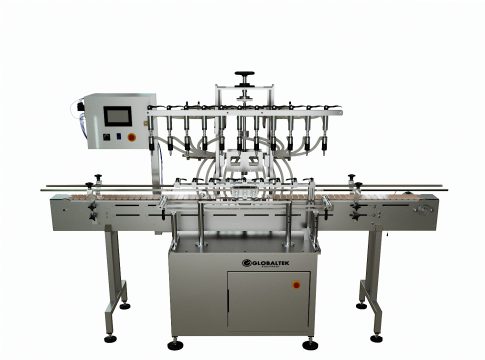
Stringent hygiene requirements set the standard for conveyor equipment manufacturers serving food, beverage, and pharmaceutical markets. These requirements guide everything from product design to maintenance schedules across various facilities. Every specification we adopt considers applicable FDA guidance and Good Manufacturing Practices (GMP). Inspection routines, system modularity, and cleanability features anchor daily operations on your production floor.
Traceable records help verify compliance during audits or supplier reviews. Documentation reflects every upgrade and cleaning event so you can show how equipment is maintained over time. Our focus begins with selecting appropriate materials for conveyors used in regulated industries.
Materials for Conveyors
FDA-compliant materials are key for packaging conveyor systems in USA to support appropriate handling of products. The Food and Drug Administration sets requirements that guide which plastics, metals, and rubbers are suitable for product-contact applications.
Stainless steel, especially grades like 304 and 316, offers strong corrosion resistance and is widely used for frames and other conveyor components. Selecting appropriate materials helps support cleanability and long-term equipment performance in regulated production environments.
The use of suitable plastics, such as UHMW and polypropylene, also supports clean equipment surfaces and helps simplify routine maintenance. You can focus on parts that are easy to clean, reducing the opportunity for debris or residue to build up in the equipment.
Our experience has shown that equipment built with appropriate materials supports chemical washdowns and fast changeovers when designed for the application. GLOBALTEK® Conveyor Systems are engineered around these requirements to help your line integrate with modern production environments across pharmaceuticals, food, and cosmetics.
Sanitation Protocols for Food Handling Equipment
Sanitation practices for food handling equipment play a key role in maintaining product quality and meeting applicable regulatory requirements. These standards support product quality and help keep your Conveyor Systems operating efficiently.
Sanitary Design and Materials: The USDA and FDA provide guidance and requirements relevant to food processing and handling equipment. Conveyor Systems should use appropriate corrosion-resistant materials, minimize areas where residue can collect, and provide access for effective cleaning.
Cleaning Versus Sanitation Measures: Cleaning removes debris and residue, while sanitation uses defined procedures to address microorganisms. Both practices matter in Packaging Equipment upkeep. Even with routine cleaning, surfaces may retain residue, making consistent sanitation procedures important for maintaining clean production conditions.
Rapid Changeover and Belt Maintenance: Quick belt changes can support reduced downtime and frequent sanitation routines in regulated operations. Conveyor belts and rollers should remain accessible for upkeep, allowing staff to clean areas that may be prone to residue.
Documentation and Traceability Standards
Keeping clear records and following traceability requirements help your conveyor systems stay audit-ready and support consistent maintenance practices. The right plan ensures that each action, part, and maintenance step is documented to support product quality and production efficiency.
Recordkeeping of Component Materials: Record each part that goes into your conveyor systems, from stainless steel frames to suitable plastic belts. This record helps you trace materials and component specifications when maintenance or replacement is required.
Batch-Level Maintenance Records: Log each cleaning, inspection, and service cycle according to the production requirements of the line. These clear entries provide maintenance documentation and show a direct connection between preventive care and equipment uptime.
Change Control and System Upgrades: Document changes to belts, software, or safety guards with date-stamped entries and note the person responsible. Clear change control records help demonstrate consistent maintenance practices and informed equipment decisions over the system’s service life.
Accessible Audit Trails and Digital Logs: Keep logs that you can access in digital or paper form when documentation is required for an audit or internal review. Fast access to records supports your team and provides a clear view of the equipment’s maintenance history.
Regular Inspection and Maintenance Guidelines
Routine inspection and on-time maintenance help keep Conveyor Systems and Packaging Equipment in top shape while supporting applicable compliance standards. We start by checking each mainframe for any bent or damaged areas.
Do you see a sign of misalignment on any belt that could lead to material spillage or extra wear? Your operators can look for loose tension on belts and cleaners, checking whether secondary belt cleaners or replacement parts may be needed.
When you see excessive head pulley lagging wear, it should be addressed promptly to help prevent belt slip and unnecessary downtime. We schedule regular checks, noting the effectiveness and condition of primary and secondary cleaners based on the specific conveyor application.
There are clear steps for you to follow if a belt tracks off-center, such as adjusting idlers and replacing damaged guides before they affect other components.
This steady, hands-on approach gives every Production Manager more confidence while helping GLOBALTEK® equipment stay cost-effective, maintainable, and ready for production.
Every conveyor equipment manufacturer who serves regulated industries must prioritize reliable hygiene practices throughout the engineering process. Cleanability hinges on using stainless steel frames, sanitary welds, and smooth motion controls, as these features support consistent cleaning and precise operation on busy production lines.
GLOBALTEK® Conveyor Systems are engineered around applicable requirements for regulated production environments, supporting the operational needs of food, pharmaceutical, and cosmetic applications. Integrated Packaging Equipment, such as Liquid Filling Equipment and Capper Machine systems, needs to be accessible for maintenance to help keep uptime high and maintenance time low.
We found that regular inspections, defined cleaning procedures, and operator training streamline performance and sustain consistent operating practices over time. Scalable Rotary Equipment and modular Conveyor Systems can adapt to tighter floorplans while supporting production requirements.
UL-certified components are critical for safe integration, giving operators confidence in equipment quality and operational precision. Made-in-the-USA builds help us stay agile with custom requirements and evolving production needs nationwide.
Cross-platform compatibility and turnkey installation allow our conveyor systems to integrate with existing automation while minimizing disruption during installation. As a trusted integration partner, we share your focus on durability, clean operation, and production-ready hygiene.
That commitment supports product integrity, maximizes uptime, and provides a foundation for consistent performance in regulated market segments.