Every single day, the mechanical systems hidden behind your drywall perform a monumental task. Your heating, ventilation, and air conditioning system pulls thousands of cubic feet of air through your living spaces, conditions it to your exact comfort specifications, and pushes it right back out. This continuous cycle keeps your indoor climate stable, but it also creates a massive structural reliance on a complex network of metallic or flexible tubes known as ductwork. For homeowners, landlords, and facility managers alike, these hidden pathways are truly the lungs of the property. When they are clean, uncompromised, and professionally balanced, the entire building breathes easy. When they are neglected, they quietly compromise your wallet, your physical health, and the longevity of your expensive climate hardware.
Maintaining high-quality indoor air quality involves far more than simply replacing a basic fiberglass furnace filter every few months. It requires a comprehensive understanding of fluid dynamics, thermal loss, and micro-particle contamination within your home’s distribution channels. Over time, an active HVAC system collects an incredible volume of dust, pet dander, pollen, construction debris, and microscopic biological particles. Investing in the structural integrity and cleanliness of this hidden infrastructure transforms your living environment, yielding immediate financial returns through lower energy expenditures while establishing a clean, allergen-free sanctuary for your loved ones.
The Invisible Threat: Anatomy of Duct Contamination
It is easy to overlook the cleanliness of your ductwork simply because it resides entirely out of sight. However, the accumulation of airborne particulates within these dark, secluded spaces is a relentless process that impacts every single breath taken inside the property.
The Mechanics of Dust Accumulation
Every time your system engages, it draws in ambient air from throughout your rooms. Along with that air comes a microscopic slurry of dead skin cells, clothing fibers, soil particles tracked in from outdoors, and chemical residues from cleaning products. While your main intake filter captures larger debris, a significant percentage of fine particles bypasses the barrier completely. Over years of operation, these particles settle along the interior walls of your ducts, forming a thick, insulating blanket of dust. This accumulation acts as a perpetual reservoir, shedding small amounts of debris back into the air stream every single time the blower motor kicks on.
The Problem with Biological Volatiles
Indoor environments often trap humidity, especially in kitchens, bathrooms, and unconditioned crawl spaces. When warm, humid air comes into contact with the cool metal surfaces of an air duct, condensation can form inside the dark, unexposed channels. This intersection of moisture and organic dust creates a perfect breeding ground for microscopic biological contaminants, including mold spores, fungi, and bacterial colonies. Once established, these micro-organisms release volatile organic compounds and spores directly into the circulating air, spreading musty odors throughout the home and triggering mysterious respiratory symptoms in sensitive individuals.
The Cost of Friction: Energy Efficiency and System Strain
Beyond the clear health implications of breathing recycled debris, dirty or poorly maintained ductwork directly penalizes your financial bottom line by forcing your mechanical systems to work twice as hard to achieve basic comfort levels.
Airflow Resistance and Static Pressure
An HVAC system is carefully engineered to operate within specific static pressure parameters. For air to move efficiently, the interior pathways of your ducts must remain smooth and entirely unobstructed. A heavy lining of dust creates micro-friction along the walls of the tube, slowing down the velocity of the air and forcing the blower fan to draw more electrical current to push the same volume of air. This continuous resistance places immense structural strain on the system’s fan motor, leading to premature mechanical failure, frequent repair calls, and a significantly shortened overall operational lifespan for your furnace or air conditioner.
Thermal Loss Through Disconnection and Leakage
Ducts are not permanent, immovable structures; they are comprised of independent sections joined together by mechanical fasteners, specialized tape, or liquid mastic sealants. Over time, the continuous vibration of the system, coupled with structural settling of the home, can cause these seams to degrade, pull apart, or develop microscopic cracks. When this occurs, conditioned air leaks straight into your attic, basement, or wall cavities before it ever reaches your living spaces. This means you are actively paying to heat or cool unconditioned, uninhabited structural voids, drastically driving up utility costs while leaving your actual rooms feeling drafty and unevenly cooled.
Signs Your Property Needs Immediate Air Duct Intervention
Recognizing when your ventilation system has passed the point of normal wear and tear is crucial for preventing long-term property damage and unnecessary utility expenditures.
Chronic Dusting and Unexplained Respiratory Flare-Ups
If you find yourself wiping thick layers of grey dust from your furniture, countertops, and electronics just days after a deep cleaning, your ventilation network is likely saturated. Similarly, if family members experience uncharacteristic sinus congestion, dry throats, itchy eyes, or frequent asthma flare-ups, specifically when spending time indoors, the system is actively cycling allergens. Paying attention to these subtle physical cues can save you from prolonged discomfort and reveal a heavily contaminated airway that requires professional remediation.
Unbalanced Temperatures and Restricted Register Velocity
Walk through your property while the system is actively running and place your hand near each individual supply register. If certain rooms receive a powerful blast of conditioned air while other rooms experience a weak, lukewarm whisper, your distribution network is fundamentally unbalanced. This symptom usually indicates a collapsed flexible duct, a blocked trunk line, or a severe separation at a major junction box. Leaving this unaddressed forces the system to run extended cycles to bring the coldest or warmest room up to the thermostat’s target temperature, wasting immense amounts of energy.
The Professional Standard: True Remediation vs. Superficial Cleaning
When it comes to restoring your ventilation system, there is a vast gulf between a superficial, cosmetic cleaning and a comprehensive, structural remediation process.
Industrial Negative Pressure Extraction
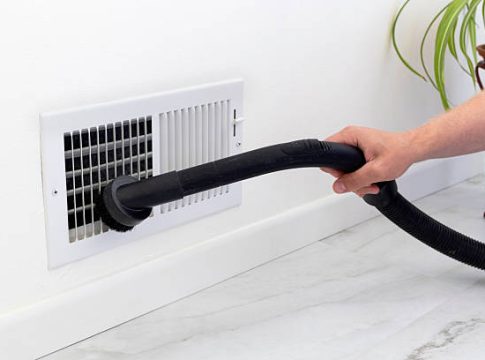
A proper duct cleaning does not involve merely sticking a residential vacuum hose down a floor register, an approach that often stirs up more dust than it removes. True professional remediation relies on sealing the entire system and attaching a specialized, high-powered truck-mounted vacuum unit to the main trunk line. This creates a powerful negative-pressure environment throughout the home’s entire ventilation infrastructure. Technicians then introduce specialized agitating brushes, compressed air whips, and skipping tools through individual branches, dislodging stubborn, caked-on debris so it is immediately pulled straight out of the home into a self-contained filtration containment system.
Comprehensive Sealing and Sanitization
Once the physical debris is entirely evacuated, the structural integrity of the ductwork must be verified and restored. This involves identifying hidden leaks along accessible seams and applying commercial-grade mastic sealants or specialized foil tapes to lock in the airflow. Furthermore, applying EPA-approved antimicrobial sanitizers directly into the clean trunk lines eliminates residual mold spores and bacteria, ensuring the air passing through remains pristine. For homeowners looking to restore their indoor environment through elite, uncompromised workmanship, partnering with specialized experts likehttps://ductsalldone.com/guarantees your ventilation system is completely optimized for maximum safety, clean airflow, and peak thermal efficiency.
Protecting Your Long-Term Ventilation Investment
Once your air distribution network has been professionally cleaned, sealed, and calibrated, establishing smart preventative maintenance habits will preserve that pristine state for years to come. Investing in high-quality, pleated media filters with an appropriate Minimum Efficiency Reporting Value, or MERV, rating captures fine dust before it can re-enter the trunk lines. Additionally, keeping your floor and wall registers clean, scheduling annual HVAC mechanical inspections, and maintaining a dry, well-ventilated basement or crawl space prevents moisture from compromising your newly optimized system, ensuring your home remains a healthy, energy-efficient sanctuary for the long haul. To schedule your service and secure your home’s well-being, click here.