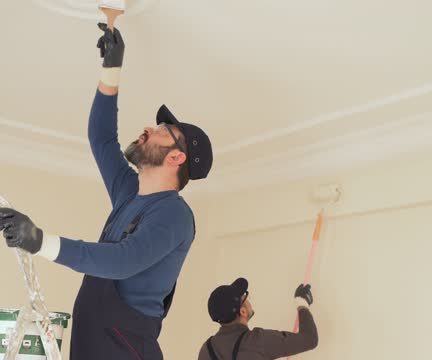
Choosing a House Painting Contractor Is Not a Decision to Rush
Your home is almost certainly the single largest financial asset you own. Entrusting its surfaces to a painting contractor means putting someone in your personal space, giving them access to your property, and relying on their skills and judgment to protect and enhance something you have invested years of work and savings into. This is not a decision that deserves the least-expensive-bid-wins approach that some homeowners use.
Taking the time to properly vet house painting contractors before making a decision is an investment in your own peace of mind and in the quality of the finished result. The additional effort of interviewing multiple contractors, checking credentials and insurance, reviewing portfolios, and speaking with references will pay dividends in the form of a finished project that genuinely meets your expectations.
Credentials and Insurance: The Non-Negotiables
Before hiring any house painting contractor, verify that they hold the appropriate state licensing for painting and home improvement work in New Jersey. The NJ Division of Consumer Affairs requires home improvement contractors to be registered, and working with an unregistered contractor leaves you without important consumer protections if something goes wrong. Ask to see proof of registration and verify it independently.
General liability insurance protects your property if the contractor accidentally damages something — a window, a floor, a piece of furniture — during the course of the project. Workers’ compensation insurance is equally important: if a worker is injured on your property and the contractor does not carry workers’ comp, you may be personally liable. Ask for certificates of insurance before signing any contract and confirm that coverage is current and adequate.
The Estimate Process: What It Reveals About a Contractor
The way a painting contractor handles the estimate process reveals a great deal about how they will handle the actual project. A contractor who takes the time to thoroughly inspect your home’s surfaces, asks detailed questions about your goals and expectations, and provides a comprehensive written estimate is demonstrating the kind of professional approach that tends to carry through to execution.
A contractor who arrives, glances briefly at your home, and immediately quotes a suspiciously low price is likely either planning to cut corners on preparation and materials or will present you with unexpected “extras” once work is underway. Either outcome is frustrating and costly. Detailed, specific estimates are a hallmark of contractors who take their professional obligations seriously.
Understanding What Your Contract Should Include
A proper contract with a house painting contractor should specify the exact surfaces to be painted, the preparation work included, the specific paint brands and products to be used, the number of coats to be applied to each surface, the project start date and estimated completion date, the payment schedule, and what warranty or guarantee the contractor provides on their work. Do not proceed without a signed contract that addresses all of these elements.
Payment schedules should be structured to protect you as the homeowner. A reasonable deposit of 10 to 30 percent at project start, with the balance due upon satisfactory completion, is standard practice for established contractors. Be wary of any contractor demanding full payment upfront — this is a significant red flag for potential fraud or quality issues.
Interior Renovation Painting: Making the Most of Major Projects
House painting during a larger interior renovation project is an ideal opportunity to paint areas that are difficult to access during normal circumstances — behind built-in furniture, inside closets, in tight utility areas. Professional painters coordinate with renovation schedules to ensure painting is completed at the right stage of the overall project: after rough work is done, surfaces are ready, but before finish flooring and final trim installation.
During renovation projects, professional house painters often handle tasks beyond wall painting — painting new drywall, priming and finishing wood trim and doors before installation, and applying specialty finishes to architectural elements that define the character of a renovated space. This kind of comprehensive finish work is what transforms a renovation from construction to completed home.
Exterior Renovation Painting: Completing the Transformation
Exterior house painting is often the final step in a major renovation project — the element that ties together new windows, updated siding, or architectural changes into a cohesive, finished appearance. Choosing the right color scheme at this stage is critically important, as exterior colors define the curb appeal and character of the home for years to come.
Professional house painting contractors offer color consultation services to help homeowners navigate this important decision. They bring knowledge of which colors work well with specific architectural styles and materials, how exterior colors will look under the specific light conditions of your property, and which combinations create the kind of timeless curb appeal that holds up well over many years rather than feeling dated quickly.